PBH Network Logo Alligator Sunglasses PBH2 Video Before Its Viral All That Is Interesting Runt Of The Web ProseBeforeHos The Far Side Of Politics PBH Network Facebook PBH Network Twitter StumbleThru PBH Network

The World’s Smallest Mammals

November 7, 2012
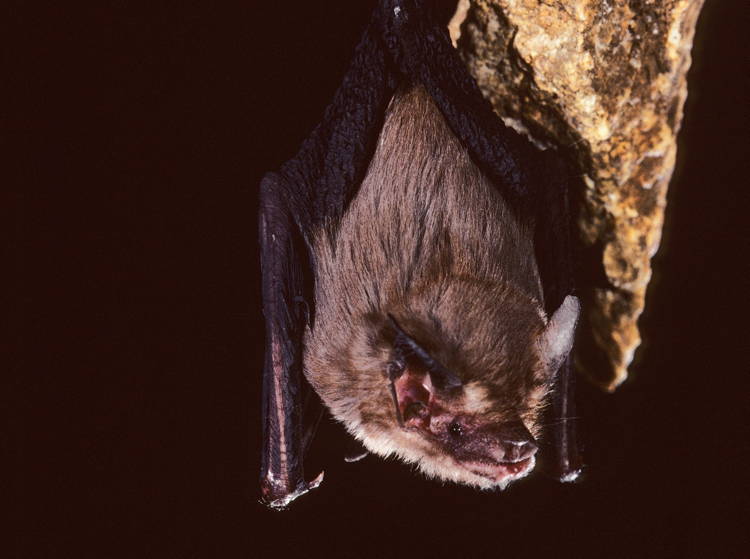
kittis hog nose bat1 The Worlds Smallest Mammals

Source: Bush Warriors, http://bushwarriors.org.s130414.gridserver.com/wp-content/uploads/2011/01/kittis-hog-nose-bat-photo-credit-merlin-tuttle.jpg


Kitti’s Hog-Nosed Bat

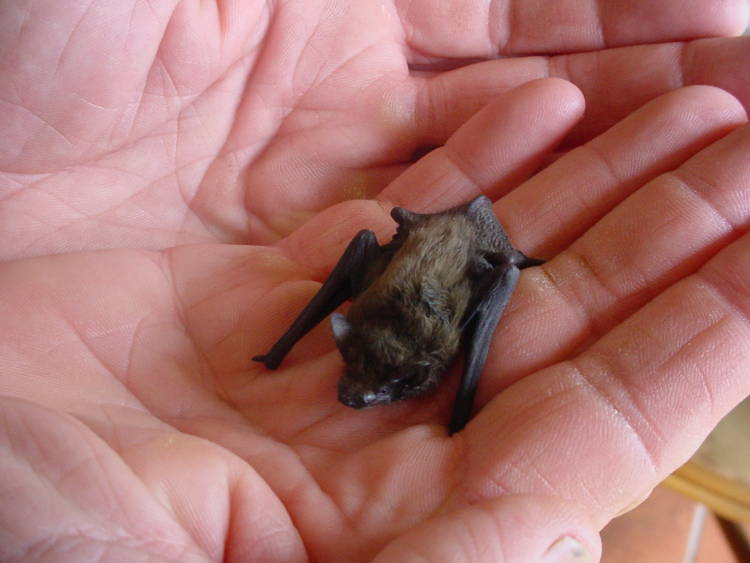
kittis hog nose bat2 The Worlds Smallest Mammals

Source: Blogspot, http://4.bp.blogspot.com/-OurZltEGT_c/TxfVMFQo8aI/AAAAAAAAARg/l8tmykd6vOo/s1600/Hog+Nosed+Bat.JPG

Depending on whether you measure by weight or size, Kitti’s Hog-nosed Bat (aka the Bumblebee Bat) is one of the two top contenders for world’s smallest mammal.  At an average of 2g (0.071oz), this diminutive species is found in limestone caves along rivers in western Thailand and southeast Burma.  While most cave-dwelling bats huddle together in large groups on cave walls and ceilings, these bats prefer their own space and tend to spread out when resting.  They also reproduce very slowly and are particularly vulnerable to disturbances in their habitat.


Etruscan Pygmy Shrew
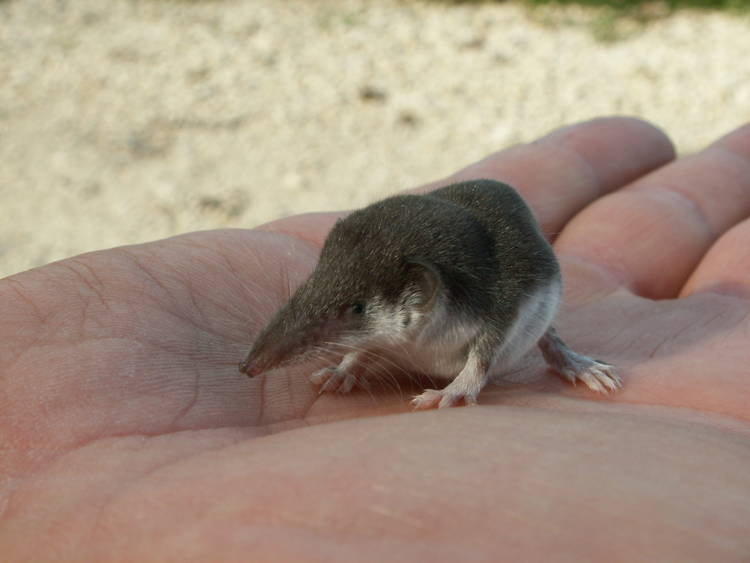
Etruscan Shrew The Worlds Smallest Mammals

Source: Red Orbit, http://www.redorbit.com/media/uploads/2004/10/42_36c4bd7d3e958e5e4b280dc8646e2be0.jpg

Losing out to bats in size, the Etruscan shrew, weighing in at 1.8g (0.063oz), can claim the world’s smallest mammal by weight.  Like most shrews, the Etruscan is a voracious predator that uses whisker-guided attacks to eat almost twice its own weight in grubs, worms and insects on a daily basis. It needs all this food to fuel a hyperactive metabolism that requires their teeny tiny hearts to beat 1511 times every second. 


Madame Berthe’s Mouse Lemur

Madame Berthes Mouse Lemur The Worlds Smallest Mammals

Source: Blogspot, http://2.bp.blogspot.com/-RpHEmYLfxaY/Te2VJJ4iwEI/AAAAAAAABhE/FOKcGXpIPq0/s1600/New%2Bspecies%2Bfound%2Bin%2BMadagascar.jpg

First categorized as a new species in the year 2000 and named after named after the conservationist Madame Berthe Rakotosamimanana, this smallest of the mouse lemurs (and the world’s smallest primate) can only be seen in the Madagascan Kirindy Mitea National Park. With a diet made up of insects, small reptiles, fruit and “honeydew”, a sugary secretion produced by the larvae of Flatida coccinea, this nocturnal forager can lower its internal temperature and metabolic rate to conserve water and energy during the dry season.